How We Got Here: Timeline of Events
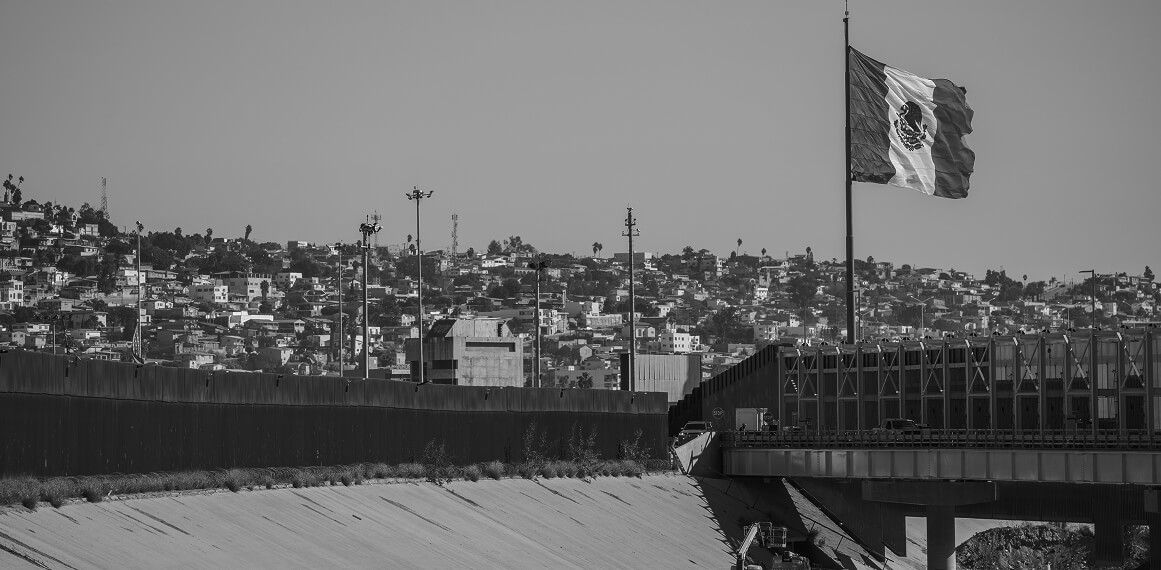

Tijuana's Explosive Growth Begins
Tijuana's population is 60,336. The city begins its transformation from a small border town into a major industrial metropolis, but infrastructure planning fails to keep pace with this rapid growth.
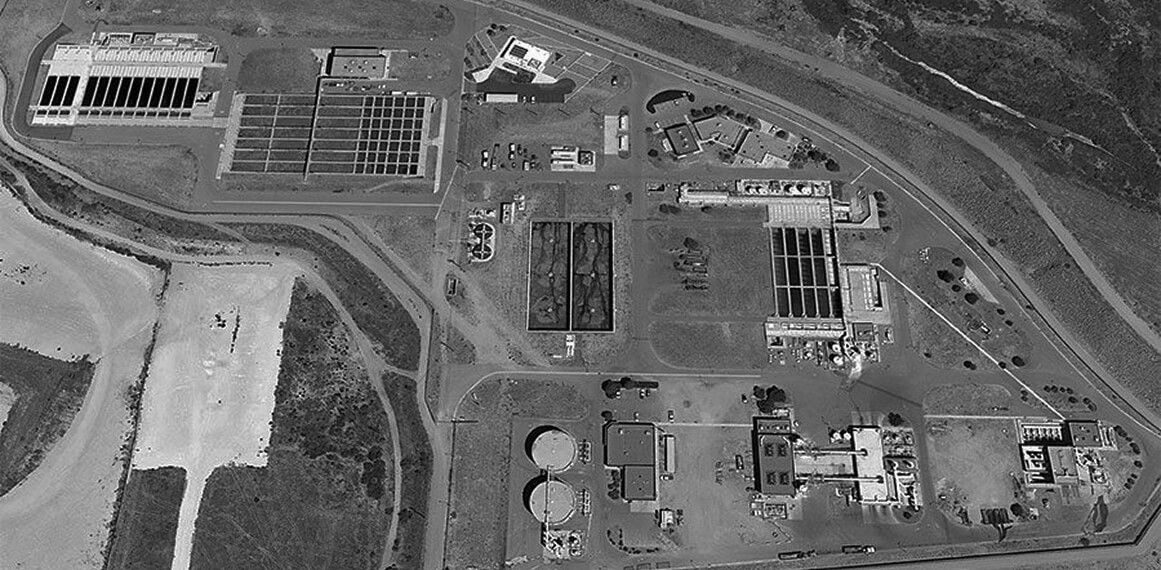

US Builds South Bay Plant
International Boundary and Water Commission (IBWC), a U.S. federal agency, builds the South Bay South Bay International Wastewater Treatment Plant on United States soil to address cross-border sewage flows. The plant is permitted to treat up to 25 million gallons of household waste per day—a significant capacity for the time but designed for a much smaller, less industrial Tijuana.
Tijuana Grows, Infrastructure Does Not
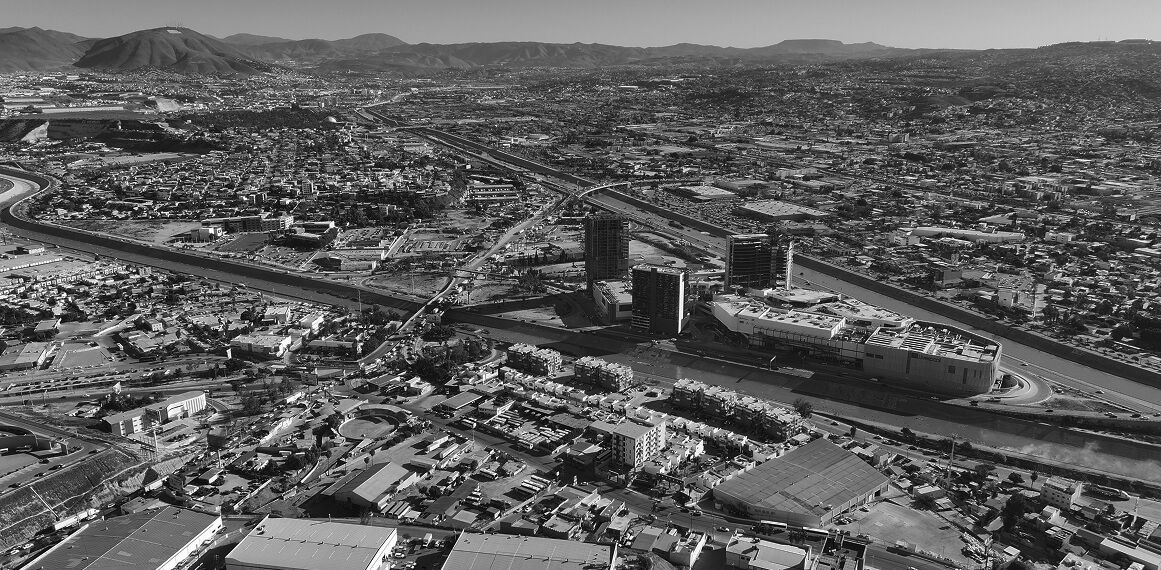
Tijuana's population grows at 2.5 percent annually between 2000 and 2010, reaching over 2.3 million residents in 2025 and the city transforms into an industrial powerhouse. Mexico fails to invest in sewage treatment capacity. Unzoned, impoverished housing multiplies without connection to any treatment systems.
3.5 Million Gallon Spill
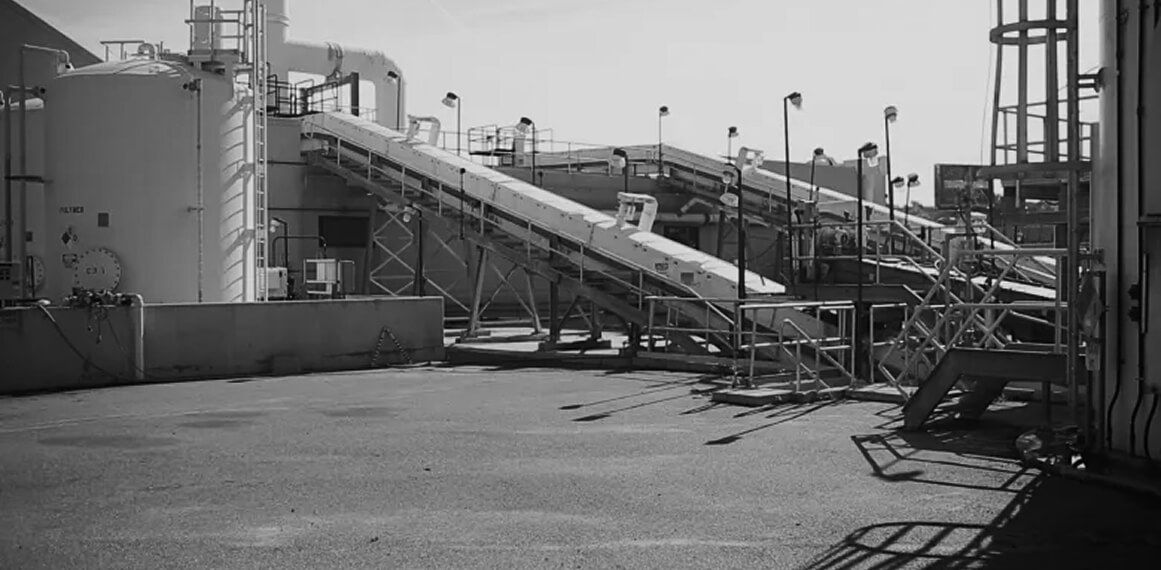
A Tijuana wastewater collector ruptures, spilling 3.5 million gallons of sewage water into the Tijuana River and the estuary. This is one of many spill events, showing the scale of Mexican infrastructure failures.
Mexican Treatment Plant Shuts Down
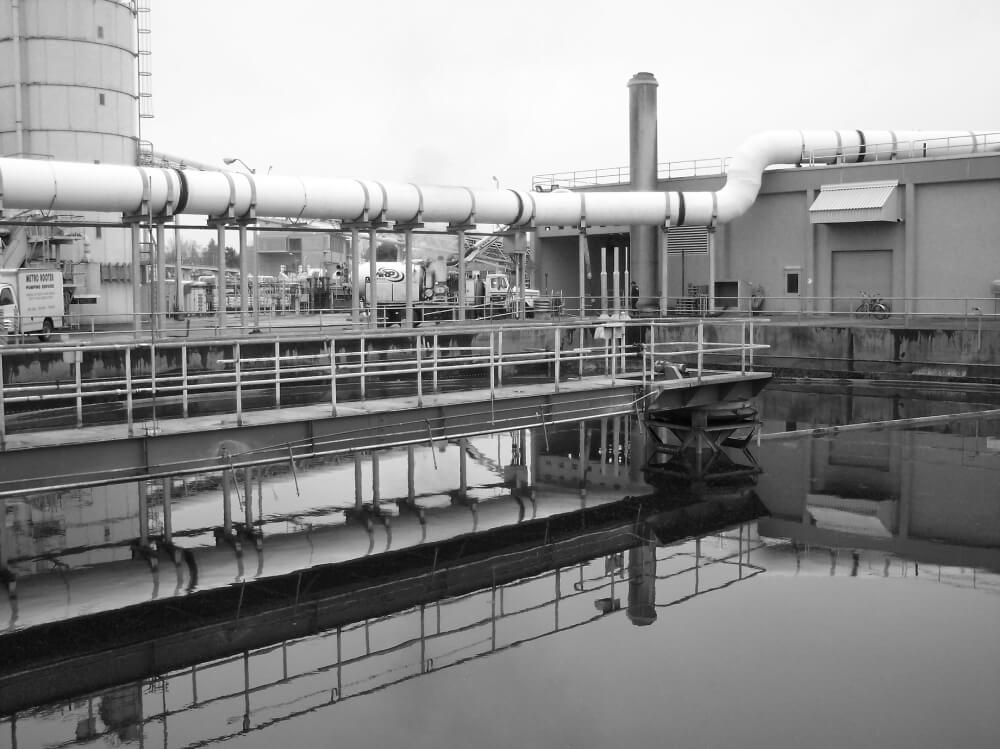
the main water treatment plant in Mexico, San Antonio de los Buenos, breaks down due to disrepair, and begins dumping millions of gallons of raw sewage directly into the Pacific Ocean.
Mexican Sewage Pipes Break
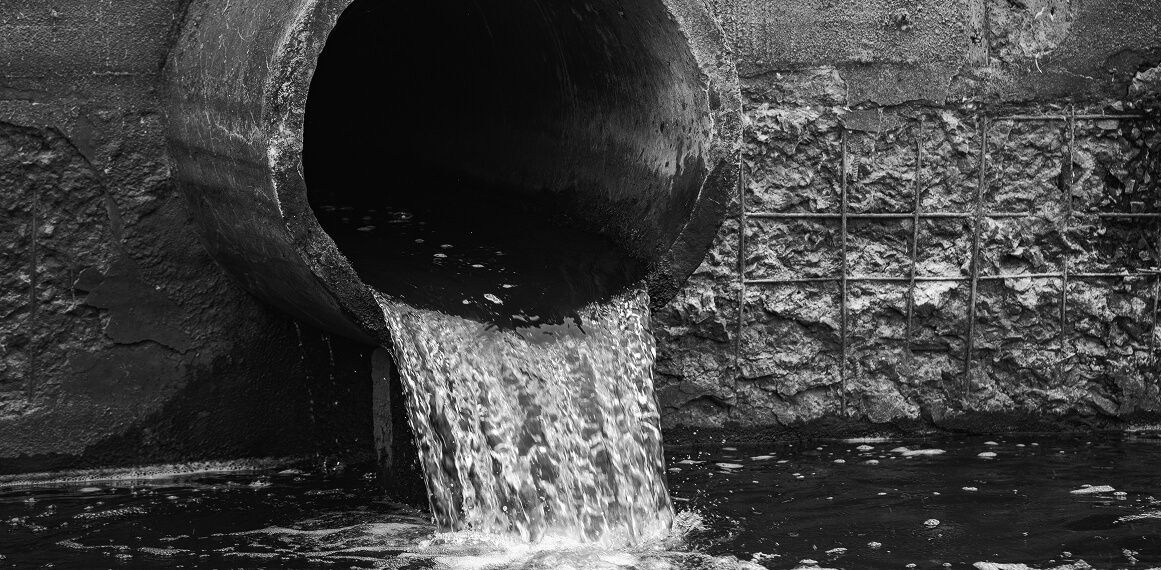
A pair of Tijuana sewage mains that carry wastewater away from the border break, forcing Mexico to divert even more raw sewage toward the Tijuana River and U.S. border.

Hurricane Hilary Damages Plant
Hurricane Hilary brings intense rainfall and flooding to Southern California. Incoming debris and flows in excess of the South Bay’s plant capacity exacerbate the infrastructure’s vulnerability.
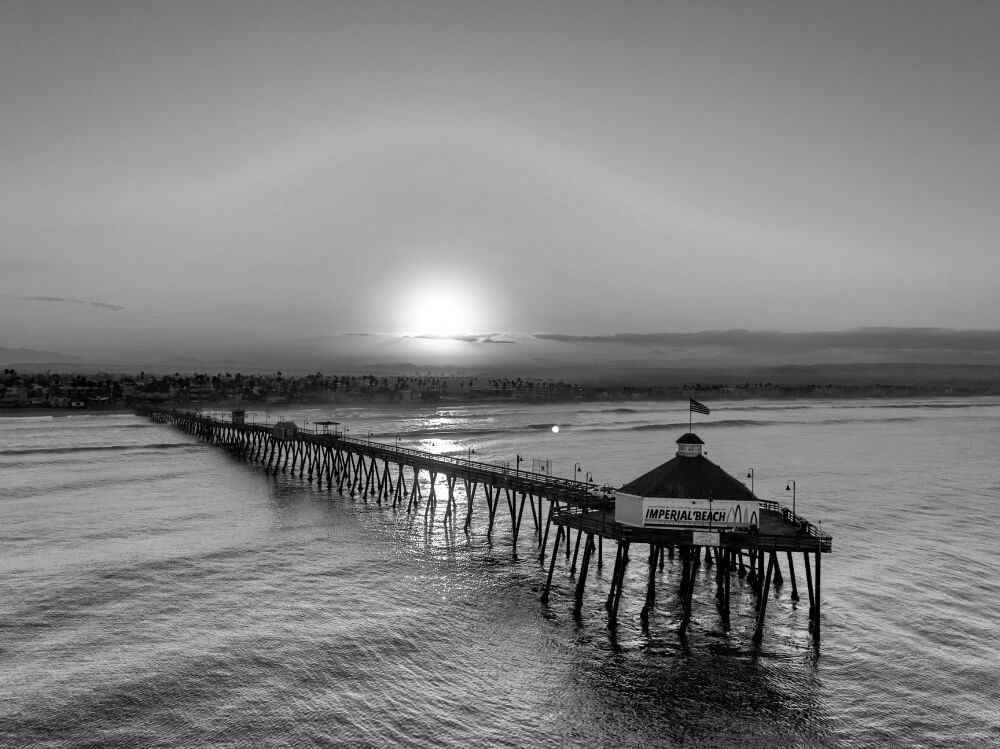
San Diego County Declares Emergency
The San Diego County Board of Supervisors first approves an emergency proclamation in response to wastewater flowing across the U.S.-Mexico border.
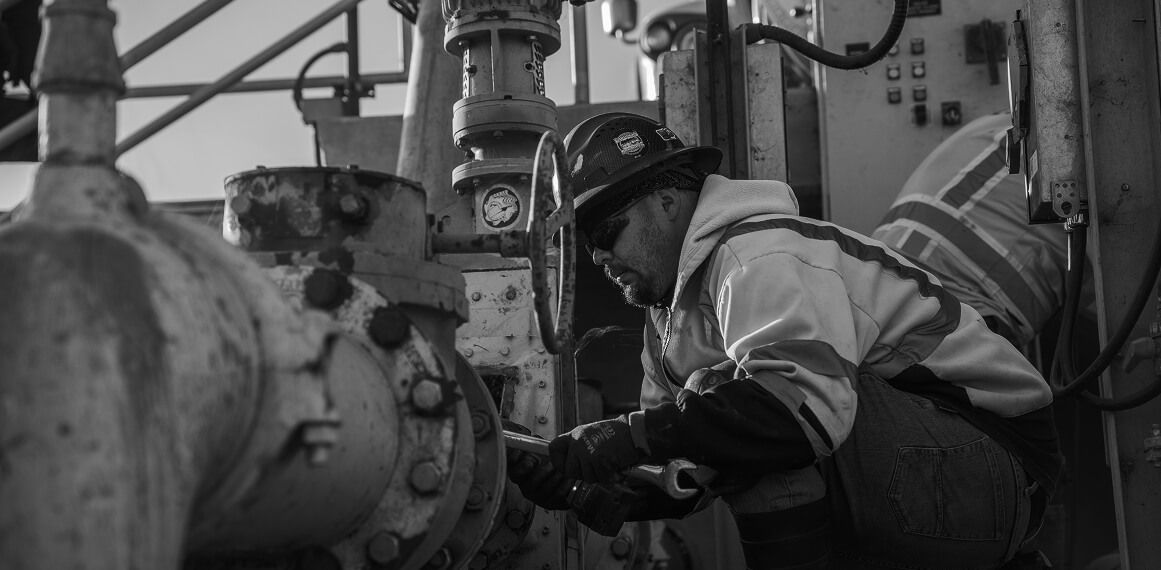
Hurricane Damage Repairs
IBWC announces urgent repairs to the plant following Hurricane Hilary.
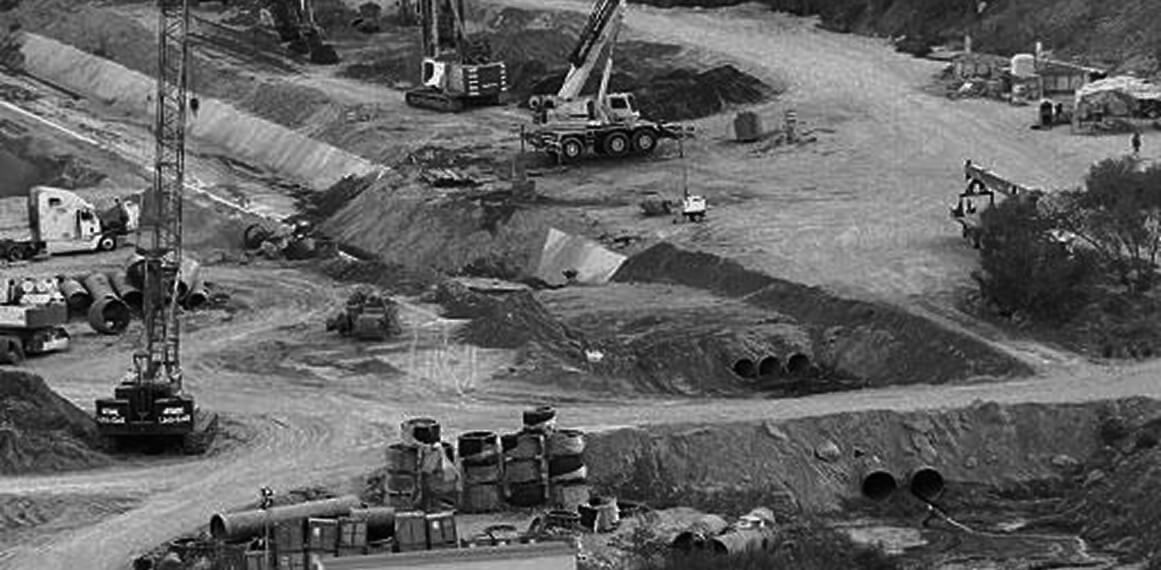
Mexico Begins Construction of Elevated Freeway in Tijuana
Massive amounts of sediment begin flowing into the plant from a large highway construction project in Matadero Canyon on the Mexican side of the border. The project has filled the plant's intake channels with dirt and debris that washes into IBWC plant infrastructure, ruining equipment and clogging treatment systems.
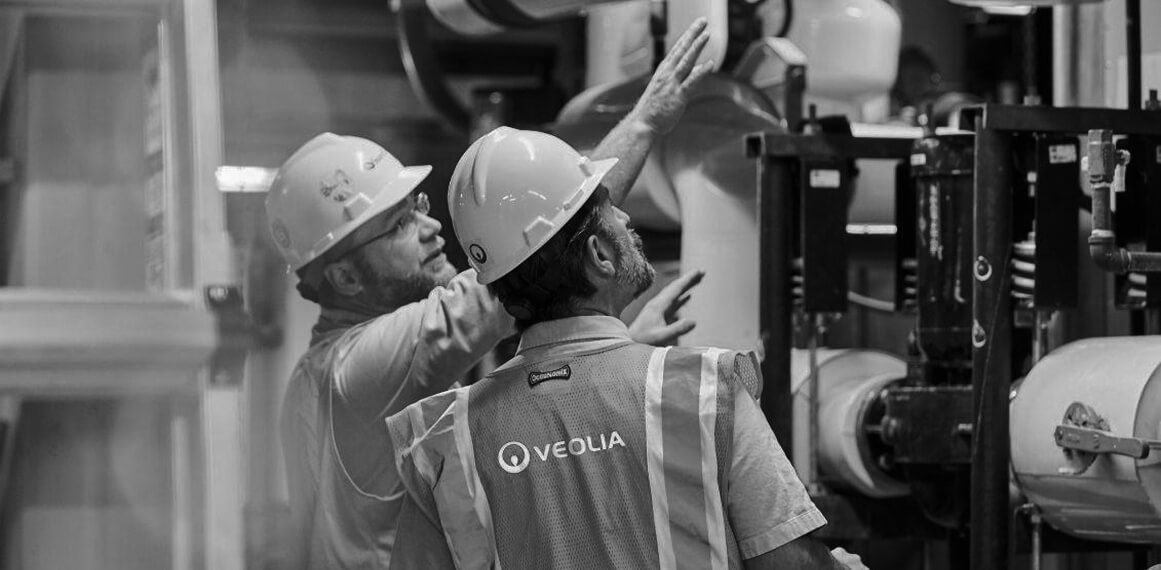
US Secures Expansion Funding
The U.S. section of the International Boundary and Water Commission awards a contract for the rehabilitation and expansion of the South Bay International Wastewater Treatment Plant to specialist contractor PCL Construction, which selected Stantec Consulting Services as the design firm. The design phase award is $42.4 million, but the total project is expected to cost $600 million.
Expansion Project Officially Launches
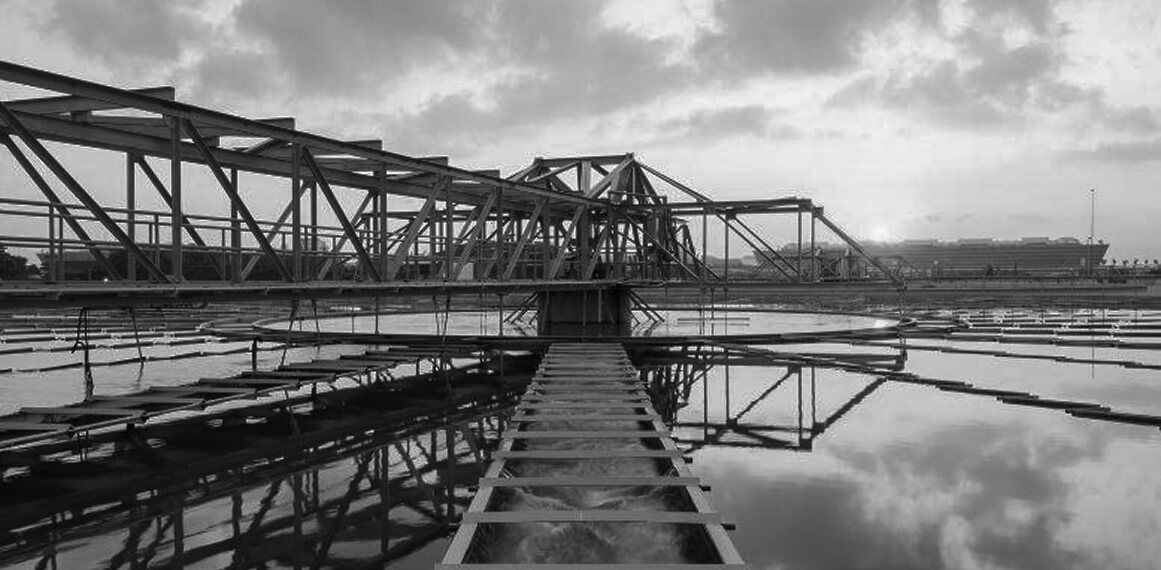
Dr. Maria-Elena Giner, P.E., USIBWC Commissioner, celebrates the project's launch with other leaders from the U.S. and Mexico during an event at the plant on Tuesday, October 29, 2024. The project will double treatment capacity to 50 million gallons per day.
Mexico Discharges Millions of Gallons of Untreated Wastewater into the Tijuana River
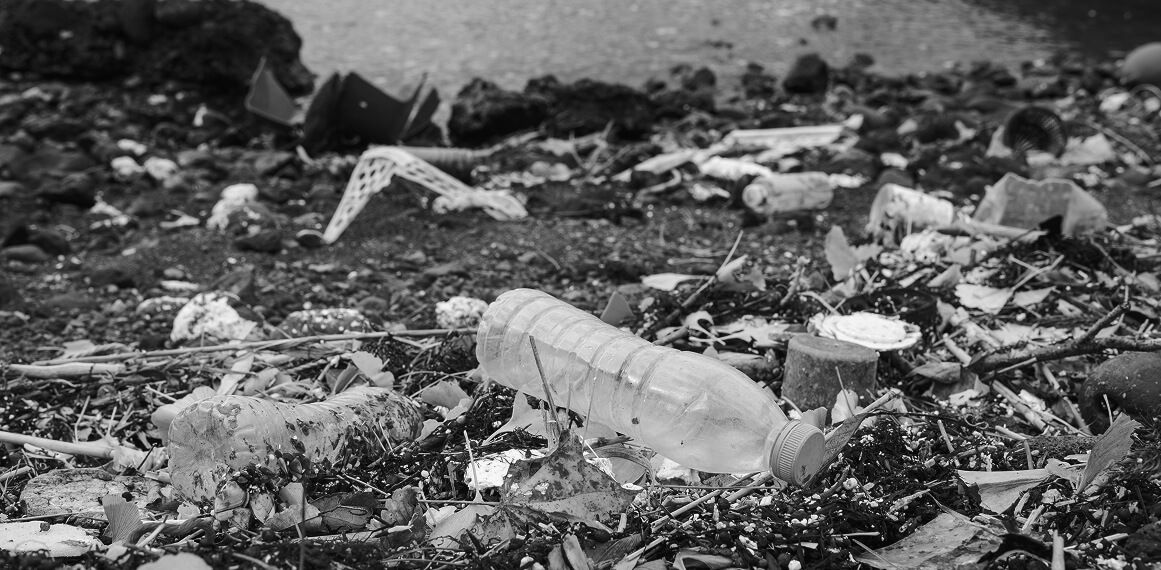
The discharge takes place because of repairs to its International Collector, the largest wastewater conveyance pipe in the city.

EPA Administrator Demands 100% Solution
EPA Administrator Lee Zeldin visits San Diego on Earth Day (April 22, 2025) and meets with Mexico Secretary of Environment Alicia Bárcena the evening before (April 21). Zeldin demands "100% solutions" from Mexico and presents a comprehensive list of action items to permanently end the crisis.
United States and Mexico Reach Agreement to “Permanently and Urgently End Decades-Long Tijuana River Sewage Crisis”
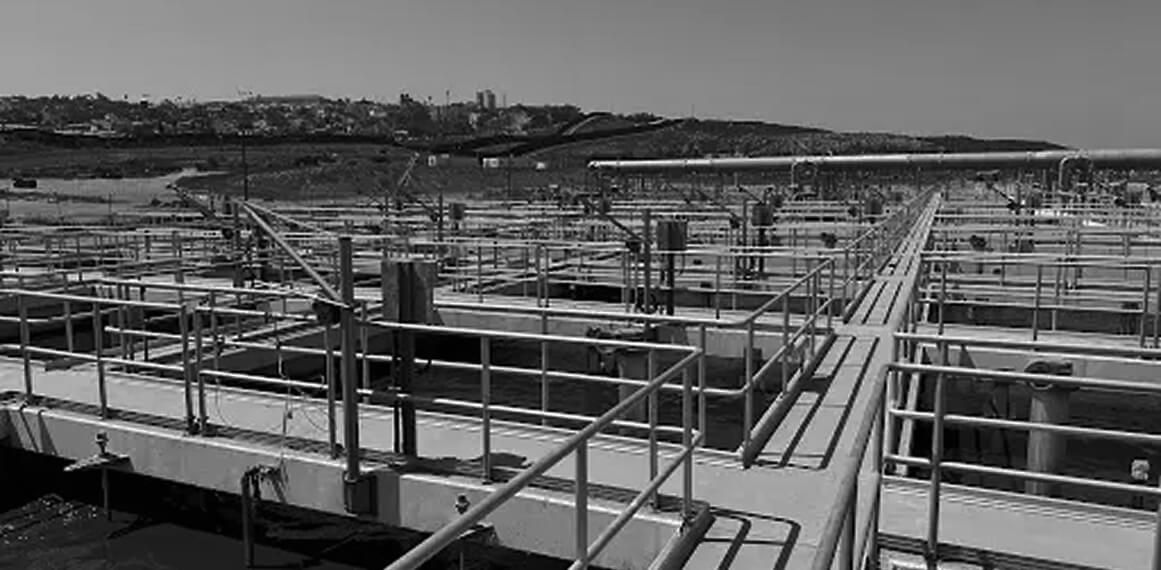
EPA Administrator Lee Zeldin meets with Secretary of the Environment and National Resources of Mexico Alicia Bárcena Ibarra to sign a Memorandum of Understanding (MOU) between the United States and Mexico to address and solve the decades-long Tijuana River sewage crisis.The agreement provides for significant funding from Mexico for the first time in years, and an accelerated timeline for current and future infrastructure projects.

President Trump takes to social media
President Trump takes to social media, demanding Mexico “take care of its water and sewage problem, IMMEDIATELY. It is a true Threat to the People of Texas, California, and the United States of America!”
IBWC and EPA announce Minute 333
IBWC and EPA announce Minute 333, a significant agreement between Mexico and the United States providing for further action to address the sewage crisis including infrastructure planning, financing, monitoring and increased cooperation.
This timeline reveals the simple, yet shocking truth: while Mexico's population has grown, it has failed to build additional infrastructure and allowed its existing treatment facilities to decay. The pattern is clear: Mexican inaction and ongoing suffering for San Diego and residents on both sides of the border. Mexico's own citizens are paying the price of their government's inaction with widespread pollution in Tijuana neighborhoods and beaches.

The pattern is clear
Mexico has had over 25 years to address its infrastructure crisis and the South Bay region and northern Baja California are still facing a sewage crisis. Thankfully, strong leadership and initiative by the U.S. government marks the beginning for a new, hopeful chapter for the South Bay.
Mexico's uncontrolled growth without infrastructure planning
Repeated Mexican failures to expand treatment capacity and keep existing infrastructure operational
Crisis explodes as Mexican sewage disrupts all systems.
Crisis worsens as Mexican treatment plant breaks down due to disrepair. The United States demands accountability and a permanent solution.
The U.S. Government, under the leadership of the EPA, develops a comprehensive and definitive solution to the sewage crisis involving plant upgrades and massive investment by Mexico

Requires Seeing the
Whole Picture