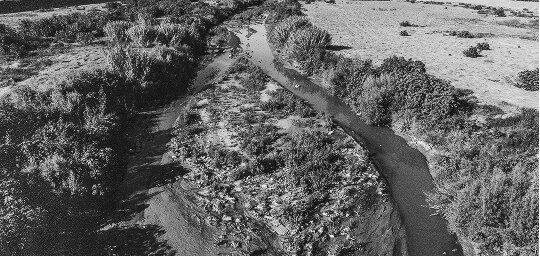
Follow the millions of gallons flowing north from Mexico's broken infrastructure

The geography doesn't lie. This isn't speculation: it's measurable and entirely preventable if Mexico addressed its infrastructure crisis.
The scale of the problem
The numbers reveal the truth: Experts estimate daily sewage generation in Tijuana at around 100 million gallons per day.
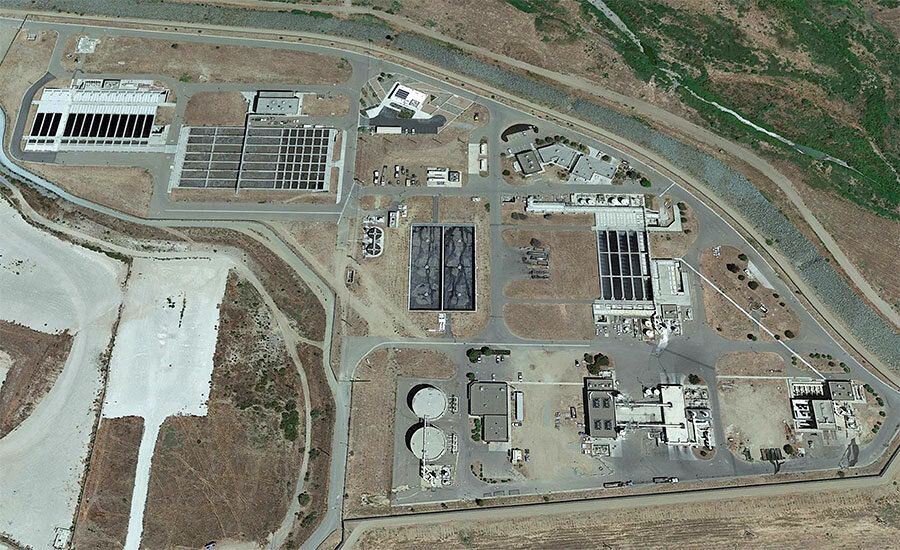
Veolia goes the extra mile to run the South Bay treatment plant at increased capacity: 35 million gallons per day since August 2025, up from the initial design capacity of 25 million gallons. This does not alter the fact that the majority of Tijuana's sewage never reaches any treatment facility at all. Instead, it flows directly into the Tijuana River, Estuary and Pacific Ocean.


Do not take our word for it
Here is what federal, state and local officials have to say about where the San Diego crisis comes from.

“For decades, San Diego residents have endured the devastating consequences of untreated sewage flowing from Mexico into the Tijuana River Valley.”
Todd Gloria, Mayor of San Diego
Source
“Unfortunately, communities in this area have been suffering real impacts from raw sewage coming across the border for far too long.”
Yana Garcia, Secretary for Environmental Protection at the California Environmental Protection Agency
Source
"Mexico needs to fulfill its part in cleaning up the contamination that they caused" and "must commit to all the projects that will stop the flow" and to "final cleanup".
Lee Zeldin, EPA Administrator
SourceMexico's Infrastructure Breakdown
Tijuana's sewage crisis stems from decades of infrastructure neglect combined with explosive population growth. While the city grew to nearly the size of Houston (2.3 million people), critical wastewater systems, insufficiently maintained, remained sized for a much smaller population.
Key Infrastructure Failures
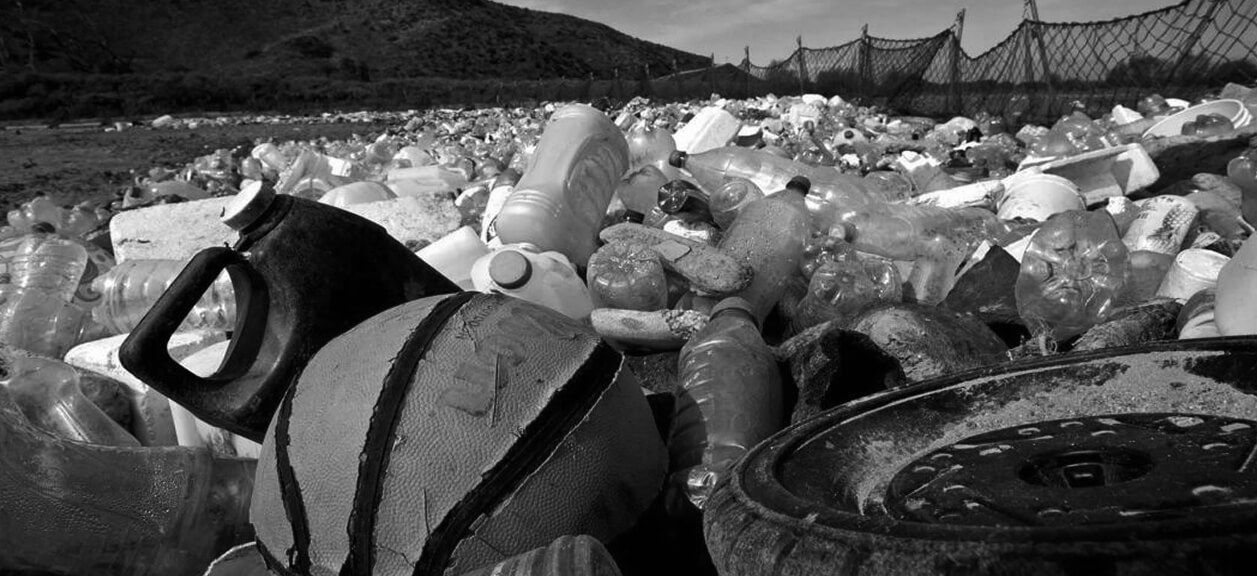
Tijuana's San Antonio de los Buenos treatment plant (the city's primary facility) completely failed in 2020. A 2022 joint report by the EPA and IBCW noted that the failed Mexican facility consistently discharged untreated wastewater into the ocean.
Mexican authorities took five years to rebuild it, but even now that it's back online, this single plant cannot handle the volume from a city of more than 2 million people.
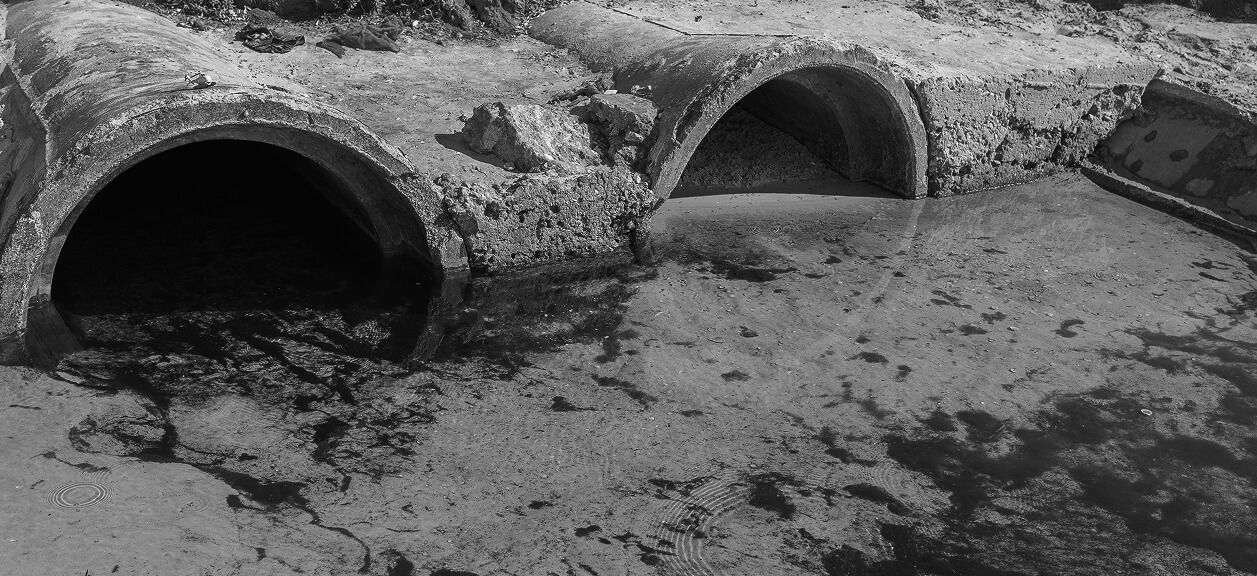
Tijuana's sewage collection network is riddled with breaks, overflows and inadequate capacity. Raw sewage routinely bypasses Tijuana's collection points entirely during heavy flows or system failures.
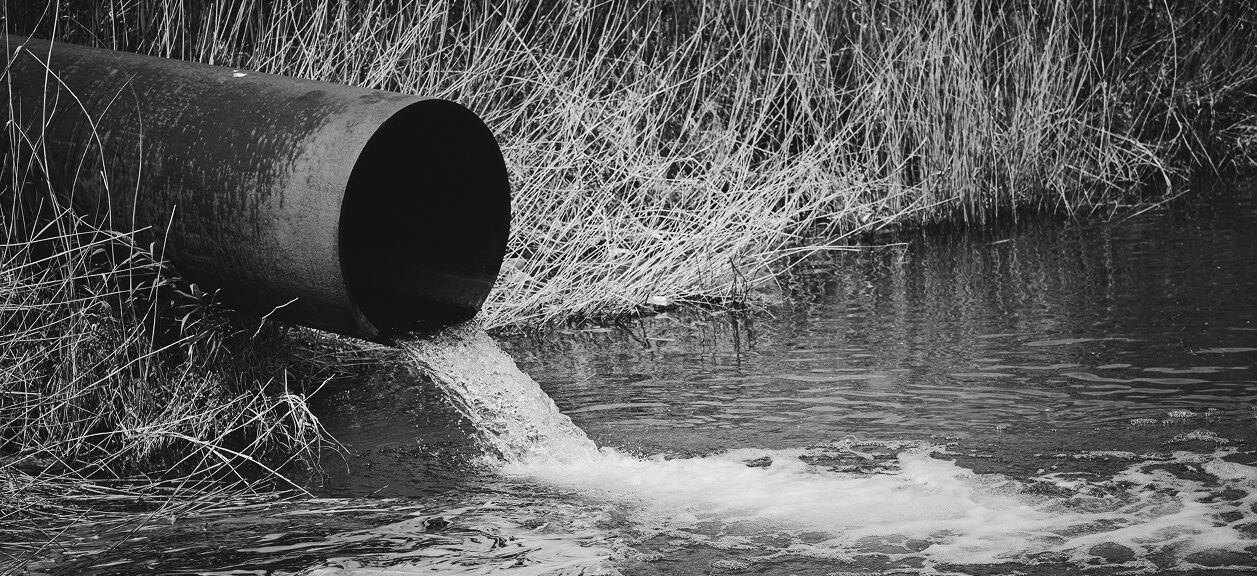
Vast areas of Tijuana developed without connecting to centralized sewage systems. These neighborhoods discharge waste (including industrial waste) directly into local waterways that flow toward the U.S. border.
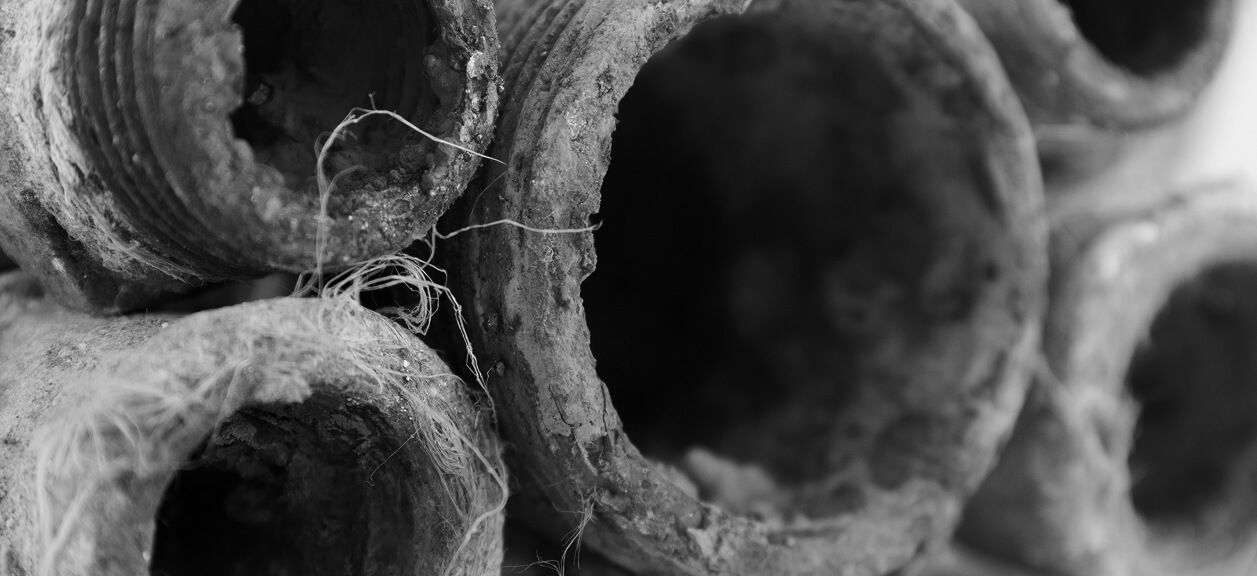
Years of deferred maintenance have left critical Mexican infrastructure in a state of collapse. When pipes break or pumps fail, repairs take months or years while sewage flows untreated.
Specific Pollution Sources
The pollution reaching San Diego County and the wider South Bay / Baja California originates from identifiable sources across Tijuana.
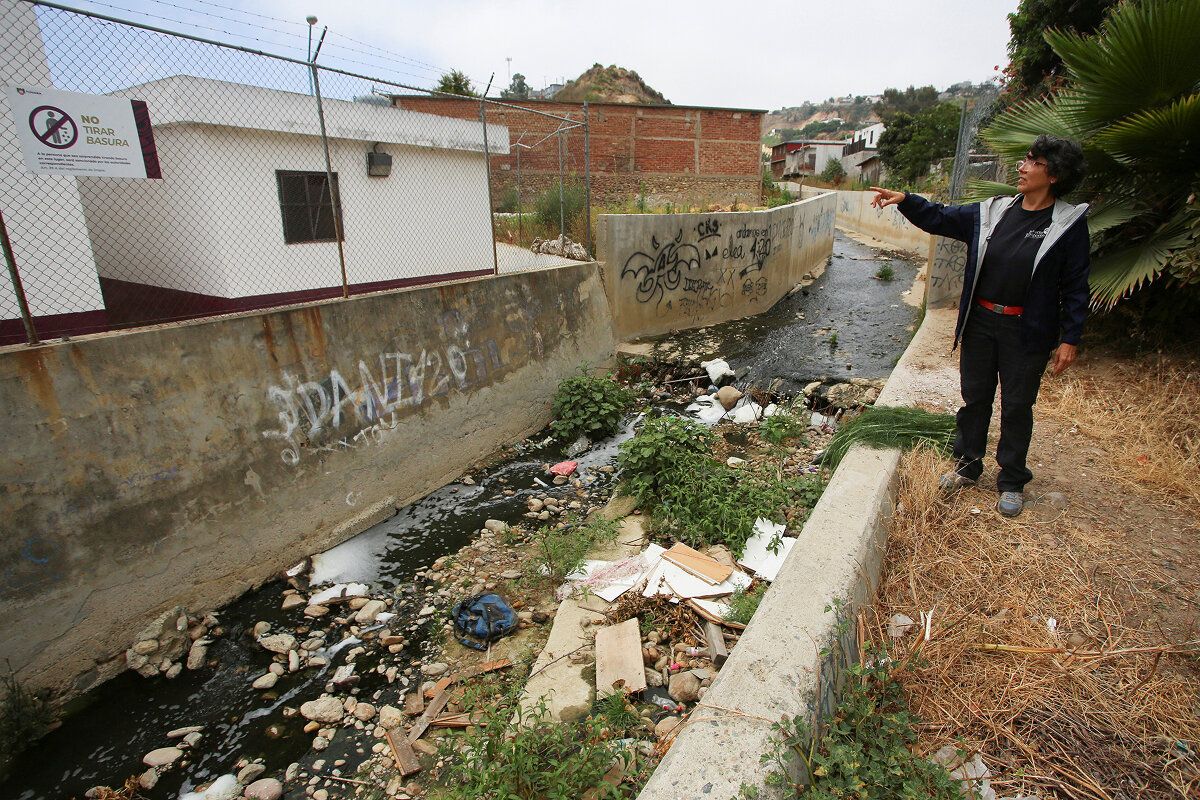
Eastern Tijuana Colonias

Dense illegal housing east of the city center discharge directly into the Alamar River system, which flows north toward the border. These communities lack basic sewage infrastructure.
Industrial Zones
Tijuana's manufacturing areas mix industrial waste with residential sewage, disrupting downstream treatment attempts.
Central Tijuana Overflow
The city's core generates massive sewage volumes that exceed collection capacity. During peak flows, untreated wastewater bypasses treatment and flows directly into the Tijuana River channel south of the border, bypassing all treatment plants.
Storm Water Systems
Tijuana's storm drains carry untreated sewage year-round, not just during rainfall. These systems discharge directly into waterways flowing toward San Diego.
Matadero Canyon highway viaduct
The Mexican construction project has filled the plant's intake channels with dirt and debris that washes into IBWC plant infrastructure, ruining equipment and clogging treatment systems.
The treatment gap
solution
The South Bay plant on the US side is designed to treat 35 million gallons (with a capacity expansion under way) of wastewater daily, but it receives whatever Mexico sends, often mixed with rocks, debris and industrial waste that damages equipment and reduces efficiency.

Expanding existing treatment plants
Building new treatment facilities
Repairing broken collection systems
Connecting illegal housing to centralized treatment
Upgrading storm water management to prevent sewage mixing
Full Picture