How the South Bay plant faces massive sewage flows while the United States invests in real solutions
Every day, Veolia's dedicated team fights the battle against millions of gallons of Mexican sewage. The United States is now stepping up with unprecedented investment to expand plant capacity. The United States is now demanding accountability from Mexico.
Lawsuits disrupt and slow efforts to address the crisis. Only by addressing the root cause of the problem can real solutions be found.


Swipe sideways to
explore the map
Solutions exist
 Mexican Investment Required
 US Expansion Funded
 Potential Cleanup Zones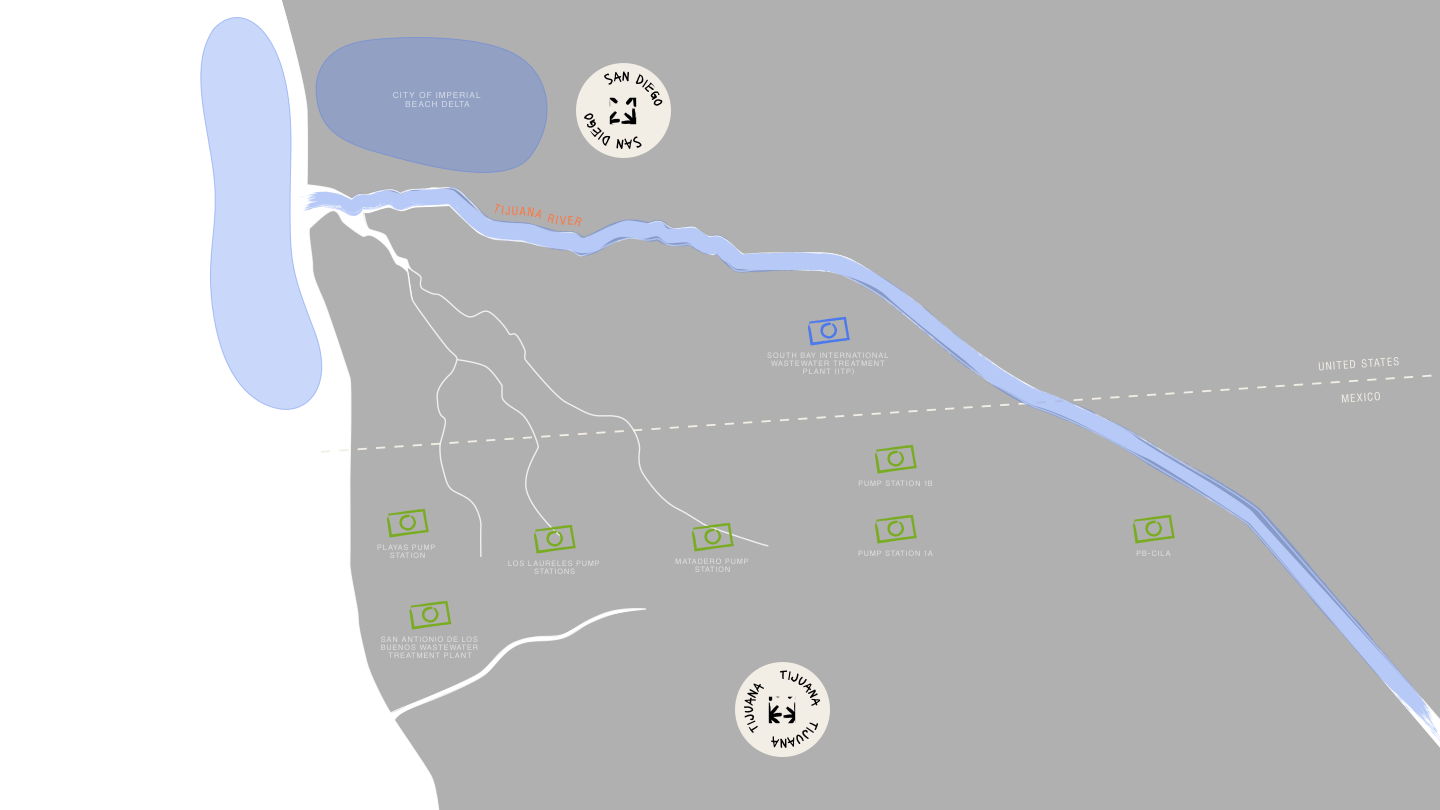
Veolia's Daily Battle
Plant Capacity: 35 Million Gallons Daily, or less than a third of Tijuana's daily sewage generation
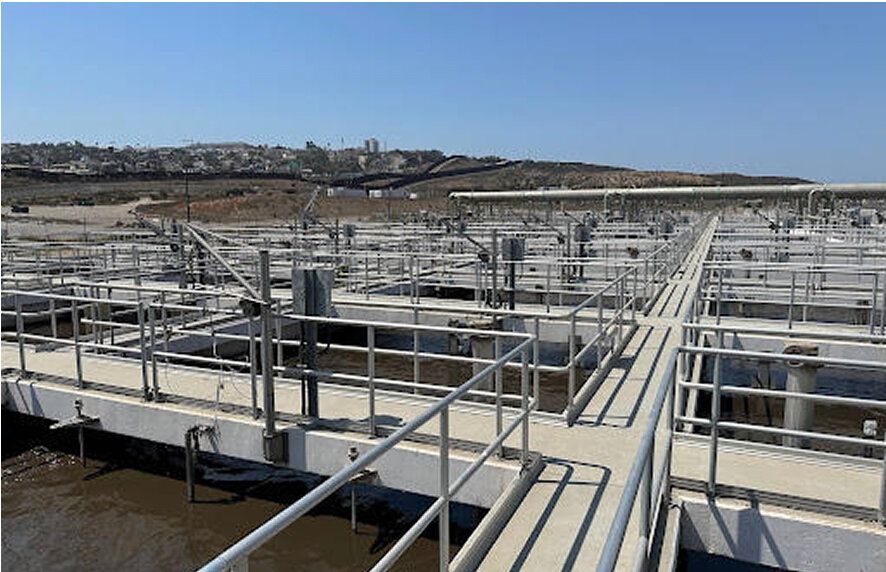
The South Bay International Wastewater Treatment Plant currently processes up to 35 million gallons of wastewater every single day, treating as much Mexican sewage as physically possible given its current infrastructure. The plant's capacity has recently been upgraded to 35 million gallons of wastewater per day.
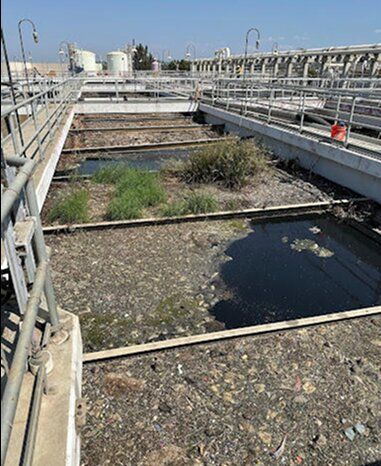
Veolia's dedicated local employees work tirelessly under conditions no treatment plant was designed to handle. Mexico sends sewage flows to the plant that are mixed with rocks, debris and mud that destroy equipment and can harm operational performance. Despite these extreme conditions, we've kept the plant functioning for nearly three decades.
Sewage volumes far exceeding the plant's design capacity
Industrial waste mixed with residential sewage from Mexico
Physical debris that can damage critical equipment
Unpredictable flow surges that strain every system
Emergency repairs needed constantly due to conditions largely exceeding normal operating environment
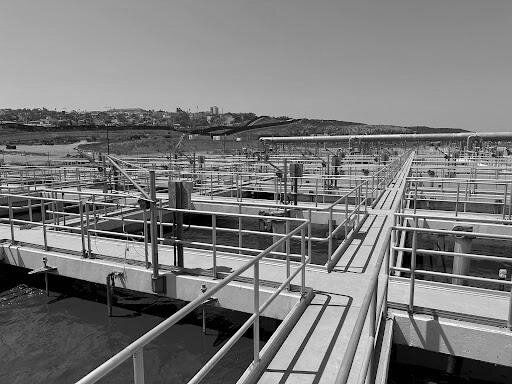
Every gallon we treat is one less gallon polluting San Diego's beaches and communities.
Our Track Record: Nearly 30 Years of Service
Veolia has operated complex water infrastructure across the United States for decades. We are the leading water company in the U.S., earning that position by successfully managing challenging projects under difficult conditions.
Multiple equipment failures caused by Mexican debris
Excessive sewage volumes during Mexican infrastructure breakdowns
Years of deferred maintenance due to government funding delays
Emergency response to major cross-border spill events
America Steps Up:
$600 Million Investment
The Largest Treatment Plant Expansion in Border History
While Mexico's infrastructure crumbles, Veolia is going the extra mile and running the plant at increased capacity to 35 million gallons a day, up from 25 previously. We are not stopping here: the United States will be investing $600 million to double the South Bay plant's initial capacity. This massive expansion will increase treatment from 25 million gallons daily to 50 million gallons daily by 2027.
Project timeline and details
IBWC announces expansion of South Bay plant to 50 MGD daily and multiple infrastructure projects in Mexico
Official project launch ceremony with US and Mexican officials
United States and Mexico announces increased budget and reduction of project timeline
IBWC and EPA announce completion of 10MGD expansion.
Full rehabilitation and expansion construction
2027 with doubled treatment capacity
Rehabilitation of existing infrastructure
Doubling of treatment capacity to 50 million gallons daily
Advanced treatment technology upgrades
Enhanced reliability and maintenance systems
This represents an unprecedented American commitment to solving a crisis the United States did not create. Congress fully funded this expansion after San Diego's congressional delegation secured the resources needed for real solutions.
Congressional Leadership Delivers Results
San Diego's congressional delegation achieved what seemed impossible: securing full funding for the massive plant expansion while maintaining focus on Mexican accountability.
Representatives Juan Vargas, Scott Peters, Sara Jacobs, Mike Levin and Darrell Issa worked across party lines to ensure this crisis received federal attention and resources.
$600 million in total project funding, all going towards plant upgrades and none to Veolia.
EPA prioritization of the sewage crisis
U.S. Centers for Disease Control and Prevention investigation into health impacts
Sustained pressure on Mexican authorities
The EPA’s 100% Plan
No More Partial Solutions
EPA Administrator Lee Zeldin visited San Diego in April 2025 and delivered the strongest message Mexico has heard in decades: "We need 100% solutions, not 80% solutions."
$88 million in remaining Mexican obligations must be committed immediately to border projects on the Mexican side
EPA employees will be sent to inspect operations at Mexico's San Antonio plant once it reopens
Chemical treatment protocols to eliminate bacteria in Mexican discharge
10 million gallon per day diversion project to redirect sewage away from the Tijuana River
Large outfall pipe expansion in Mexico to move ocean discharge further from shore
Planning requirements for Mexican population growth and future capacity needs
The Decision Point: a landmark agreement between two nations
“The EPA made the stakes crystal clear: Mexico will either commit to 100% of the required solutions, or face escalating pressure from the Trump administration.Complete reconstruction of the San Antonio de los Buenos treatment plant
New sewage infrastructure for illegal housing
Repair and expansion of broken collection systems
Advanced treatment of industrial waste before discharge
Binding commitments with enforcement mechanisms
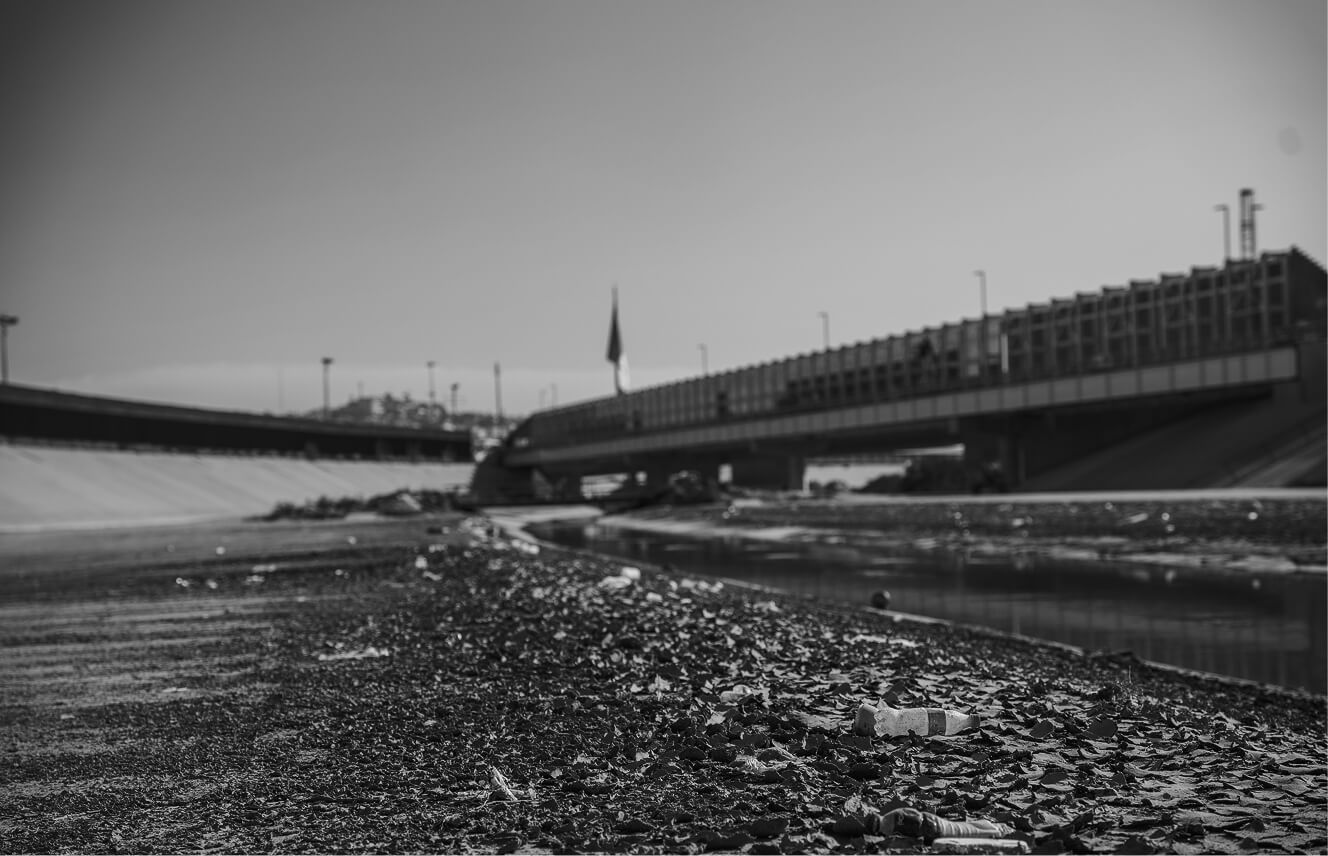

- US $93 million committed by Mexico to ongoing infrastructure projects
- Reduction of projects' timeline
- Additional projects on the Mexican side to account for future population growth in Tijuana and operation and maintenance costs.
The Path Forward: Getting
Mexico to put its house in order
Short-Term Progress (2025-2026)
Mexico's San Antonio plant reconstruction (expected 2025 completion)
US plant rehabilitation and early construction phases (IBWC announced completion of 35 MGD expansion on August 28, 2025).
Enhanced monitoring and enforcement protocols
Improved cross-border coordination mechanisms
Long-Term Solutions (2027 and beyond)
Expected completion of South Bay plant upgrade to 50 MGD treatment capacity
Mexican infrastructure expansion to match population growth
Advanced treatment technology deployment
Permanent cross-border cooperation agreements


What Success Looks Like
A cleaner ocean, free of sewage from Mexico
Reduction of sewage odors
Safe ocean access for families, surfers and Navy SEALs
Clean water in the Tijuana River Estuary
Restored marine ecosystems along the coastline
Protected wildlife habitats in Border Field State Park
Durable wastewater infrastructure serving the Tijuana population
Enhanced public health and quality of life for Tijuana residents
Strengthened international partnership and cooperation with the United States
Technical expertise transfer and capacity building in wastewater management
The funding is secured. The will to act in conjunction with Mexico is unprecedented. What remains is sustained commitment to implementation and accountability.
Picture